Coquette Watercolor Easter Bunny Ears Review
As a designer who spends half my day troubleshooting stitch paths and the other half pitching mockups to clients, I don’t just look at an embroidery file; I look at the finished product. When Coquette Watercolor Easter Bunny Ears landed in my inbox, I didn’t immediately think about adding it to a generic spring collection. I thought about the specific customer who buys handmade goods because they want something that feels personal, soft, and aesthetically pleasing. This design sits squarely in the "Crafts" category under "Graphics," but its true value lies in how it translates from a digital PNG into a tangible, stitched reality.
The First Impression: Mood and Visual Personality
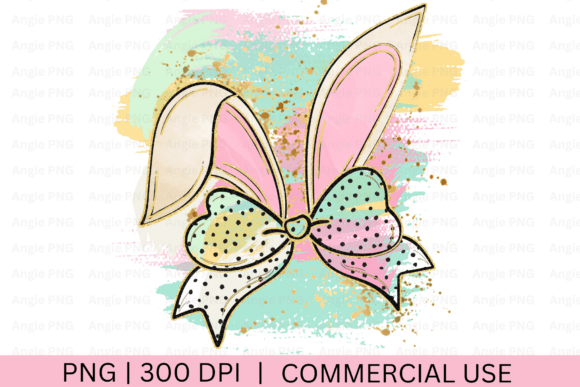
The moment you open the file, the mood is distinct. It isn’t loud or overly graphic; it relies on that soft, romantic "coquette" aesthetic that has taken over social media feeds recently. The watercolor effect suggests a gentle fade, which is tricky in embroidery. If executed poorly, watercolor effects can look muddy or undefined on fabric. However, this design seems to rely on shape and suggestion rather than complex gradient fills, which is a smart move for machine embroidery.
The layout is clean, featuring the iconic bunny ears with a subtle bow or ribbon detail that anchors the theme. It feels playful yet sophisticated enough for a boutique brand. For a crafter or Etsy seller, this is crucial. You aren’t just selling a picture of bunny ears; you are selling a vibe. This design appeals to the buyer looking for nursery decor, baby gifts, or springtime apparel. It creates an immediate emotional connection before the customer even reads the product description.
Real-World Application: From Screen to Stitch
I put this design through a mental stress test based on common project scenarios. Let’s say you are preparing a custom embroidered tote bag for a local craft fair. The transparent background of this 300 dpi PNG makes placement easy. You can center it perfectly on canvas or place it off-center for a more modern, asymmetrical look. Because the design is relatively simple, it won’t overwhelm the texture of a heavy cotton tote. In fact, the contrast between the structured canvas and the soft, whimsical design creates a nice tactile balance.
Another strong use case is custom sweatshirts or hoodies for spring events. As temperatures rise, people start shedding layers, but they still want comfort. A small, well-placed embroidery of these bunny ears on the chest of a pastel-colored sweatshirt feels curated, not mass-produced. It elevates a basic garment into a statement piece. Similarly, for baby clothes—onesies or burp cloths—the softer lines of the watercolor style are less harsh against delicate skin tones and fabrics. It feels nurturing and appropriate for the target demographic.
For those selling digital products or printable mockups, this asset is versatile. The high resolution ensures that when you place it in a PSD template for a listing photo, it remains crisp. Buyers trust shops that present their work professionally, and having a design that looks good both as a physical stitch and as a digital preview builds credibility. It works beautifully for holiday embroidery projects, particularly around Easter, but the neutral enough color palette allows it to cross over into general spring decor.
Where Caution Is Required
No design is perfect for every surface. While Coquette Watercolor Easter Bunny Ears is charming, there are specific areas where a designer needs to be careful. First, consider the hoop size. If you attempt to digitize or scale this down too small, you risk losing the delicate details that give it character. On tiny items like baseball caps or small embroidered patches, the fine lines might merge together if the stitch density isn’t managed correctly.
Fabric choice is equally critical. Textured fabrics, such as bouclé or heavy waffle knits, can distort the smooth curves of the watercolor effect. Thin or stretchy fabrics require proper stabilizer support to prevent puckering, especially if the design includes any dense satin stitches for the bow. If you are working with dark fabric, ensure your thread colors provide enough contrast. A light pastel design on black fabric might get lost unless you use a high-density underlay or a contrasting backing.
Also, avoid placing this design on curved surfaces like the front panel of a fitted cap without testing first. The distortion from the curve can warp the symmetry of the ears. Furthermore, if the final product will undergo frequent washing, such as kitchen towels or aprons, ensure the stitching method used is durable. While the visual appeal is high, the longevity depends on proper stabilization and thread quality.
Practical Designer Notes for Execution
Before committing this to production, I always recommend a few standard checks. Test the design on scrap fabric first. This is non-negotiable. It allows you to see how the threads interact with the weave of your chosen material. Check the thread color contrast carefully; sometimes what looks good on a backlit monitor looks flat on fabric. Review the stitch density to ensure there are no gaps or excessive bulk.
It is also wise to inspect small details closely. Zoom in on the bow ties and ear tips. Are they defined? Do they require a running stitch for definition, or is a fill stitch sufficient? Confirm the hoop size fits your intended garment without hitting seams or zippers. Inspect the design in black and white mockups to ensure the composition holds up without the aid of color. Compare light and dark fabric backgrounds to see which offers the best visual impact.
Use a proper stabilizer. For delicate fabrics, a tear-away might be too aggressive; for heavy bags, a cut-away provides better stability. Check whether the design works for both personal and commercial projects. The provided license states: "Please do NOT resale my digital products or gift to others in its current state." This means you can use it to create finished products to sell, but you cannot sell the digital file itself. This is a common restriction for digital embroidery files, so always confirm licensing before selling finished items or using them in large-scale commercial embroidery runs.
Final Verdict
Coquette Watercolor Easter Bunny Ears is a thoughtful addition to any embroidery library. It bridges the gap between digital artistry and traditional craftsmanship effectively. It is ideal for makers, small business owners, and hobbyists who want to add a touch of elegance to their handmade products. Whether you are creating personalized gifts, custom apparel, or boutique branding assets, this design offers a reliable way to capture attention. Just remember to respect the technical limitations of fabric and thread, test thoroughly, and let the quality of your execution speak for itself. When done right, it transforms a simple concept into a desirable, professional-grade finished product.