Vintage Frame Collection Review
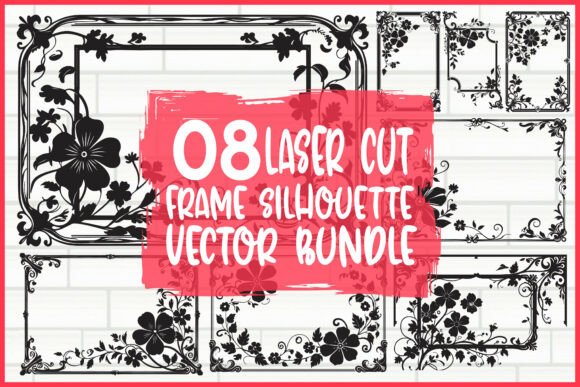
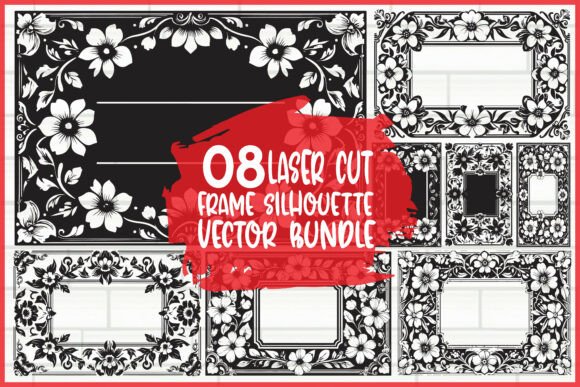
When I pull a new design file from my inbox, my first instinct is always skepticism. As someone who has spent years turning digital vectors into tangible, stitched goods for clients and craft fair booths, I know that not every graphic translates well to thread. This is especially true when the source material is marketed as a laser cut vector bundle rather than a native machine embroidery file. That is exactly the situation with the Vintage Frame Collection. The product description highlights that this bundle contains eight elegant floral and decorative frame designs intended for Cricut, Silhouette Cameo, Glowforge, CNC, and laser cutting projects. While the primary intent may be cutting vinyl or wood, I am evaluating these assets strictly through the lens of an embroidery designer looking to create high-value handmade products.
The mood of the Vintage Frame Collection is distinctly romantic and timeless. These are not modern, minimalist lines; they are ornate, intricate, and heavy on visual personality. For an embroidery project, this presents a unique challenge and opportunity. When I imagine using one of these frames, I immediately picture a custom embroidered tote bag or a sophisticated sweatshirt embroidery piece for a boutique brand. The intricate floral details suggest a design that demands respect in its execution. It feels like something that belongs on a linen tea towel, a nursery decor item, or a personalized gift for a wedding. However, the transition from a sharp vector line to soft thread requires careful planning.
Real-World Application: From Vector to Stitch
Let’s talk about a specific scenario. Imagine you are preparing inventory for an upcoming craft fair. You want to create a line of premium custom apparel featuring delicate, vintage-inspired aesthetics. You decide to use one of the larger frames from the Vintage Frame Collection as the central motif on a cream-colored canvas tote bag. In theory, this sounds perfect. The elegance of the frame elevates the basic tote into a boutique product. But in practice, how does it stitch?
Because these designs originate as graphics and illustrations, they likely rely on clean, continuous paths. In embroidery, we need to think about stitch types. A simple outline might look great in software, but on fabric, it needs structure. If I were digitizing this for a client, I would likely use a combination of satin stitch for the main border definition and fill stitch for any dense floral clusters within the frame. The visual appeal of the finished product will depend entirely on how well we manage the negative space. If the frame is too thin, it will disappear under the weight of the stabilizer or pucker the fabric. If it is too dense, it will lose its airy, vintage feel.
I also see potential in using these frames for applique design work. By stitching a base layer of fabric inside the frame shape and then covering the edge with a tight satin stitch, you can create a dimensional effect that mimics the original vector’s crispness. This technique works beautifully on baby clothes or pillow covers, where durability and a soft finish are paramount. The result is a professional-looking asset that justifies a higher price point for your Etsy listings or small shop merchandise.
Where Caution Is Required
Not every surface is a friend to intricate vector-based embroidery. There are several situations where the Vintage Frame Collection might struggle if you do not adjust your approach. First, consider the hoop size. If you attempt to stitch a large, detailed frame on a small hoop, you risk distortion. The tension changes as you rotate the hoop, which can cause the delicate floral corners to stretch or shift. Always confirm the maximum dimensions of your machine before committing to a large format.
Fabric texture plays a massive role here. On a smooth cotton or polyester blend, the stitches will lay flat and clear. But if you try this design on a textured fabric like bouclé or a thick fleece, the needle may skip, and the fine details of the frame will get lost in the weave. Similarly, on stretchy fabrics like jersey knits used for t-shirts, you must use a strong stabilizer. Without proper support, the frame will warp, ruining the symmetry that makes the design so appealing.
Another critical area is dark fabric. Embroidery relies on contrast. If you choose a light gold thread for the frame against a black background, the delicate inner details might vanish. I recommend testing thread colors extensively. Use a white-on-black mockup to check visibility before you spend hours stitching. Also, be wary of curved surfaces like caps. While possible, maintaining the integrity of a complex frame on the curve of a hat is difficult and often results in a less-than-polished finished product.
Practical Designer Notes for Success
If you decide to incorporate the Vintage Frame Collection into your workflow, whether for personal use or commercial embroidery, follow these practical steps to ensure quality:
- Test on scrap fabric: Never go straight to the final garment. Stitch the design on a piece of the same fabric type to check for puckering, thread breaks, and color contrast.
- Review stitch density: Since this is a vector bundle, you may need to add density to thin lines to prevent them from breaking or looking weak. Ensure the stitch density matches the fabric weight.
- Inspect small details: Look closely at the floral corners. Are there tiny isolated elements? These are prone to jumping. Consider simplifying or anchoring them with additional stitches.
- Check licensing: This is crucial for anyone selling their work. The product description mentions laser cutting compatibility, but it does not explicitly state commercial embroidery rights. Confirm whether you have permission to sell finished items made from these designs before listing them on Etsy or your website.
- Use proper stabilizer: For frames that cover a large area, a cut-away stabilizer is often safer than tear-away, especially for items that will undergo frequent washing.
Final Verdict on Visual Appeal and Value
The Vintage Frame Collection offers a strong foundation for creating elegant, high-end looking items. The visual personality of the designs—romantic, detailed, and classic—resonates well with buyers who appreciate artisanal quality. When executed correctly, these designs can significantly boost customer trust and perceived value. A well-stitched vintage frame on a kitchen towel or a holiday gift set feels thoughtful and premium.
However, success depends on your technical execution. Do not treat these files as plug-and-play embroidery solutions without preparation. Treat them as design assets that require digitization judgment. By understanding the limitations of thread versus ink, and by carefully selecting your materials, you can transform these laser-cut-ready vectors into stunning embroidery projects. Whether you are a hobbyist making a personalized gift or an Etsy seller building a brand identity, the Vintage Frame Collection provides the aesthetic core needed to stand out. Just remember: the magic is not in the file itself, but in how you bring it to life on fabric.